Find consumer tips on everything from credit to home safety to travelling on a budget and so much more!
Try This Financial Literacy Test
We throw the term “financial literacy” around pretty frequently, and you probably have a good idea of what it means. But how does one actually test financial literacy? And how well would you do on a test of your financial literacy?
Let’s find out.
A Little Background
Researchers at George Washington University recently released a report, based on data from the 2012 National Financial Capability Study, which concluded that millennials think they’re more financially literate than they really are. In that 2012 study, financial literacy was determined through a series of five questions. Correctly answering the first three questions would indicate a “basic understanding” of personal finance. Answering all five questions correctly would demonstrate a “high level” of understanding.
Of the millennials surveyed, only 24 percent were able to answer the first three questions correctly and only 8 percent answered all five questions correctly. Could you do better? Here are the actual questions used in the survey:
1. Suppose you had $100 in a savings account and the interest rate was 2 percent per year. After 5 years, how much do you think you would have in the account if you left the money to grow?
- More than $102
- Exactly $102
- Less than $102
- Do not know
- Refuse to answer
2. Imagine that the interest rate on your savings account was 1 percent per year and inflation was 2 percent per year. After 1 year, how much would you be able to buy with the money in this account?
- More than today
- Exactly the same
- Less than today
- Do not know
- Refuse to answer
3. Please tell me whether this statement is true or false. “Buying a single company’s stock usually provides a safer return than a stock mutual fund.”
- True
- False
- Do not know
- Refuse to answer
4. A 15-year mortgage typically requires higher monthly payments than a 30-year mortgage, but the total interest paid over the life of the loan will be less.
- True
- False
- Do not know
- Prefer not to say
5. If interest rates rise, what will typically happen to bond prices?
- They will rise
- They will fall
- They will stay the same
- There is no relationship between bond prices and the interest rates
- Do not know
- Prefer not to say
Ready for the answers? 1 – More than $102, 2 – Less than today, 3 – False, 4 – True, 5 – They will fall
How did you do? Did you meet your expectations? Remember that only 8 percent of the millennials surveyed were able to answer every question correctly, despite 69 percent giving themselves high grades for financial literacy. In general, it’s pretty common for many of us to think we know all that we need to know about money because we handle our money every day. In reality, however, being financially literate means having a solid grasp on a wide range of financial concepts.
If you struggled with some of the questions, don’t worry. In the weeks to come, we’ll be going in depth with each of the questions and the core concepts being tested. Besides, one of the true values of a test like this is learning what you don’t know. Once you see where the gaps are, you can work to increase your knowledge and fills those gaps.
Union Plus Credit Counseling
Union members can get a no-obligation money and credit assessment from certified, experienced consumer credit counselors though Union Plus Credit Counseling. Powered by the non-profit Money Management International (MMI), your free session will cover a complete financial review, assistance in budgeting, advice for working with creditors, and more.

How financially literate are you? Find out below!

14 Tips for Preventing Break-Ins and Burglaries
Many criminals who break into houses don’t actually break in — they enter through unlocked doors and windows. Don’t give thieves easy access to your home. Here’s what you can do:
- Invest in a quality door. A door with a glass pane may present a security problem.
- Install deadbolts on all exterior doors and the door connecting the garage to your house. inside the garage. (Deadbolts should be single-cylinder locks, at least 1 inch thick and extend at least 1 inch into the door frame when locked.)
- Secure windows and sliding glass doors with locks.
- Consider installing a home security system.
- Light the outside of your house. Consider installing motion-sensitive lights.
- Do not open doors to strangers. Always ask for identification.
- Install wide-angle peepholes in all solid doors. Don’t rely on chain locks to see who is at the door. Chains can easily be broken once a door is ajar.
- Keep your garage door locked and basement windows secure.
- Lock outbuildings (e.g., storage sheds) with deadbolts.
- Keep trees and shrubbery trimmed. Overgrown vegetation gives a burglar more privacy.
- Don’t give keys to anyone you don’t know well. Give parking lot attendants and mechanics your ignition key only, not your entire key ring.
- If people you don’t know (e.g., previous tenants or owners) could have keys to your house, change the locks.
- Always lock your doors, even if you’re gone only for a short while.
- Avoid hiding a key outside your home. Instead, leave a duplicate set with a friend or trusted neighbor.
L1216485536[exp1119][All States][DC]
Learn how you can make your house or apartment less appealing to thieves.
Reasons to Use a Real Estate Agent
Commission Costs
When you crunch the numbers, remember that you can always save money by not using a real estate agent on your end. But if a buyer comes in with an agent, you will be obligated to pay their commission. So, for instance, a typical agent will require a 3% commission. If you don’t use an agent but your buyers have an agent, you would save 3% or 6% if they don’t have an agent. When you’re considering the cost of using a listing agent, keep in mind that (conservatively) it will be about 3% of the total purchase price.
Your Time Comes at a Price
Fundamentally, you could probably For Sale By Owner (FSBO) easily in a seller’s market in the summer – when the conditions are perfect, without much effort. But, like most situations, there are usually challenges to overcome. Not to mention, if you work full-time, you have to be realistic about how much time selling your home could take away from your work or family. Marketing and showing your home alone are huge time-sucks, which can be avoided for a 3-6% commission.
Do the math and figure out what your time is worth, then calculate how many hours you might need to put against selling your home in order to justify the use of an agent.
Other Costs When FSBO
If you decide to go the FSBO route, take into account the extra things you might have to pay for:
- MLS listing fees
- Professional pictures or video of your home
- Home sale and open house signs
- Lawyer fees to review contracts
- Time off for home showings
- Staging advice
- Storage fees (for staging)
- Home buying agent commission fees
- Extra incentives for buying agents
Agents Have Connections
If you live in a small or big town, agents talk. This is one of the benefits of using an agent. They will use all of their networks, referral groups, Web tools and connections in order to market your home. Agents have access to the MLS, which is the number one home sale site. They also have connections with ancillary service providers that could market your home better, including photographers, home stagers, storage providers, etc.


If you’re extra budget conscious, you might be thinking about selling your home on your own. Before you make a final decision on whether you will use a real estate agent or not – you should consider a few things first.

How to Avoid Buying a Lemon Car
Finding a trouble-free used car has nothing to do with luck and everything to do with applying good research and investigative skills. Knowing how to spot potential problems and determining how reliable a used vehicle is can save you from expensive automotive headaches down the road. The following advice can help you determine whether a used vehicle is a good value or potential trouble.
13 Tricks to Try
- Check the Reliability Record
A good way to reduce the risk of purchasing a trouble-prone vehicle is to select models with a good reliability record before you begin shopping. Consumer Reports' annual subscriber survey provides exclusive real-world reliability information that can help you narrow your selections. See best and worst used cars for a quick-reference list of the best and worst used cars from our most recent survey. Also read the reliability-history charts that accompany most of Consumer Reports' vehicle profiles to get a more detailed view at how specific models have held up in 17 trouble areas as well as overall.
- Read the Window Sticker
The Federal Trade Commission requires dealers to post a Buyer's Guide in every used vehicle offered for sale. Usually attached to a window, it must contain certain information, including whether the vehicle is being sold "as is" or with a warranty, and what percentage of repair costs (if any) the dealer is obligated to pay. The Buyer's Guide information overrides any contrary provisions in your sales contract. In other words, if the Buyer's Guide says that the vehicle is covered by a warranty, the dealer must honor that warranty. If any changes in coverage are negotiated, the Buyer's Guide must be altered to reflect them before the sale.
If a sale is designated "as is," it means that the dealer makes no guarantees as to the condition of the vehicle, so any problems that arise after you have made the purchase will be your responsibility. Many states do not allow as-is sales on vehicles selling for more than a certain price.
- Check the Exterior
Begin by doing a walk around of the car, looking for dents, chipped paint, mismatched body panels or parts, broken lamp housings, and chipped windows. Gaps between body panels should be of a consistent width and line up.
A closer inspection can reveal paint overspray on chrome or rubber trim or in the vehicle's wheel wells. This is a telltale sign of body-panel repair.
Test for the presence of body filler with a small magnet. If the magnet doesn't stick to the panel, the car may have filler under the paint (some vehicles with plastic or fiberglass panels, however, won't attract a magnet at all). A door, hood, or trunk that doesn't close and seal properly is evidence of previous damage and/or sloppy repair work. A CAPA (Certified Automotive Parts Association) sticker on a body panel means the part has been replaced. Inconsistent welds around the hood, doors, or trunk also indicate repair.
- Check the Interior
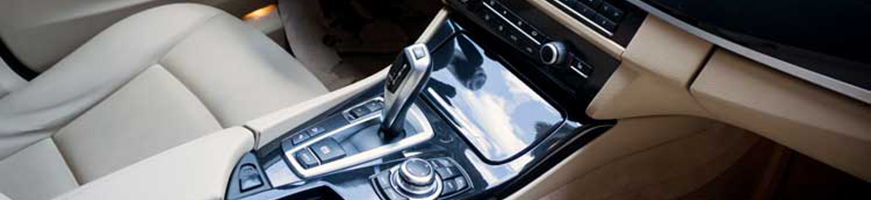
A long look into the cabin can reveal many obvious problems, such as a sagging headliner, cracked dashboard, and missing knobs, handles, and buttons. Frayed seat belts or ones with melted fibers (because of friction) may be evidence of a previous frontal impact above 15 mph--damaged safety belts should always be replaced.
Prematurely worn pedals or a sagging driver's seat are signs that the vehicle has very high mileage. An air bag warning light that stays lit may indicate that a bag has deployed and been improperly replaced--or not replaced at all. A mildew smell, caused by a water leak, can be very hard to get rid of. Discolored carpeting, silt in the trunk, or intermittent electrical problems may be signs of flood damage.
- Check Under the Hood
At first glance, the engine, radiator, and battery should be relatively grease-free and have very little or no corrosion. Belts and hoses should be pliable and unworn. Look for wet spots, which can indicate leaking oil or fluids. Melted wires, tubes, or lines, or a blackened firewall may be signs of overheating or even an engine fire.
With the engine cool, insure that all fluids are clean, filled to the proper level, and do not have leaks. Check the engine oil while the engine is cool. Remove the dipstick from its tube and clean it with a dry rag, reinsert it and remove it again. The oil level should be between the "full" and "add" marks. Normal engine oil is brown or black, depending on when it was last changed. Gritty or gelatinous oil may indicate long stretches between oil changes. Thin, frothy oil that's the color of chocolate milk may point to a blown head gasket or to a severely damaged block or cylinder head. Fine metal particles in the oil indicate internal damage or heavy wear.
The transmission fluid dipstick is usually located in the rear of the engine compartment. Check it right after the car has been driven for more than 10 minutes. With the engine at idle and both the brake and parking brake applied, shift through all the gears. Leave the engine running and put it in neutral or park (according to the owner's manual) and check the level in relation to the dipstick marks. Also inspect the fluid's condition. The transmission fluid should be bright red to light reddish brown, not dark brown, black, or mustard colored; those colors can indicate serious problems. If it has a strong burned smell, that can indicate severe wear.
- Check the Tires
Wear should be even across the width of the tread and the same on the left and right sides of the car. Tires that are frequently used while over-inflated tend to have more wear in the middle; tires driven while under-inflated tend to wear more on the sides. Heavy wear on the outside shoulder near the sidewall of the tire indicates a car that has been driven hard. This can be a sign that other parts of the car may suffer from excessive wear due to aggressive driving. Cupped tires, those that have worn unevenly along the tread's circumference, can indicate various problems with the steering, suspension, or brakes.
- Check the Steering
With the car idling, turn the steering wheel right and left. Check that there isn't any slack or "play," or clunking noise in the steering. Excess play may indicate a worn steering gear or damaged linkage.
While driving at normal speeds on smooth, flat pavement, the car shouldn't wander or need constant steering corrections. A shaking steering wheel often indicates a need for a wheel balancing or front-end alignment, which are easily remedied. However, this may also be a clue that there's a problem with the driveline, suspension, or frame, which could mean expensive repairs are in order.
- Check the Suspension
Check the suspension by pushing down hard on each fender and letting go. The car should rebound softly, once or twice. More than two severe rebounds indicate worn shock absorbers or struts. Also, drive the car over a bumpy road at about 30 mph. A car that bounces and slams at moderate speeds over common pavement may have a worn or damaged suspension.
- Check the Tailpipe
A puff of white smoke upon start-up is probably the result of condensation and not a cause for alarm. Black smoke after the car has warmed up indicates an overly rich air-fuel mixture--usually due to a dirty air filter, a faulty oxygen sensor, or mass-air meter (which measures the amount of intake air). Blue smoke indicates oil burning—a bad sign, requiring expensive repairs. Billowing white smoke indicates water in the combustion chamber, usually because of a blown head gasket, damaged cylinder head, or even a cracked block--all expensive repairs.
- Step on the Gas
While driving, does the engine rev excessively before the car accelerates? This is a common sign of a misadjusted or worn-out clutch, or a damaged automatic transmission. A clutch adjustment is a relatively inexpensive service, but a damaged clutch or automatic-transmission repair can be extremely expensive.
Listen for knocks and pings while accelerating. These indicate bad ignition timing or an engine beginning to overheat.
- Check for Recalls and TSBs
Check to see if any recalls were issued and if recall service was performed. The National Highway Traffic Safety Administration (www.nhtsa.dot.gov; 800-424-9393) lists all official recalls. Ask the seller for documentation on recall service. If any recall work has not been performed on a car that you're considering, it should be done as soon as possible. Automakers are required to perform recall service free of charge, regardless of the vehicle's age or how long ago the recall was issued.
Technical Service Bulletins, or "TSBs," are reports a manufacturer sends its dealers about common or recurring problems with a specific model, and how to rectify them. Because TSBs aren't typically safety related, manufacturers are not obligated to notify owners or pay for the repairs, though an automaker may pay for some or all of the work—if an owner asks them to. See NHTSA's lists of TSBs. Check for any TSBs that were issued for the model you're buying and if the seller had any necessary repairs performed.
- Check the Vehicle's History
A vehicle-history report from CarFax or Experian Automotive can alert you to possible odometer fraud; reveal past fire, flood, and accident damage; or tell you if a rebuilt or salvage title has ever been issued for the vehicle. To access this information, provide the vehicle identification number, or "VIN," which is on the top of the dashboard, near the driver's side roof pillar. Reports should cost $15 and the process takes about five minutes.
- Visit a Mechanic
Before you buy a used vehicle, have it inspected by a qualified mechanic that routinely does automotive diagnostic work. A thorough diagnosis should cost around $120. An organization called the Car Care Council certifies diagnostic shops. If you're an AAA member, you could use one of the organization's recommended facilities.
In addition to doing the basic diagnostic, ask the mechanic to put the vehicle on a lift and inspect the undercarriage. Kinked structural components and large dents in the floor pan or fuel tank can indicate a past accident. Welding on the frame suggests a damaged section might have been replaced or cut out during repairs. Have the mechanic look for fresh undercoating, which can be used to hide recent structural repairs.
A dealer should have no problem lending you the car to have it inspected as long as you leave identification. A private seller may be more reluctant, however. You should offer to follow the seller to the shop where the inspection will take place.
Know Your Rights
The law can protect you if your carriage turns into a pumpkin. Part of buying smart is knowing what protection you have before you need it. State laws vary greatly in the degree of consumer protection they afford. New York law, for instance, requires that car dealers offer written warranties on all used vehicles with less than 100,000 miles selling for $1,500 or more.
In California, it's illegal for a dealer to sell a car with unsafe tires, damaged glass, nonfunctioning lights, or ineffective brakes. Other states offer varying amounts of protection. Check with your state attorney general's office or local consumer-protection agency to learn about the laws in your area.
If You've Bought a Lemon . . .
From a dealer. The state attorney general's office can explain how your state laws protect you. If you suspect that you've bought a rebuilt wreck, contact the National Association of Consumer Advocates, which maintains a list of attorneys who specialize in such cases. If you have a problem with a car covered by a warranty or service contract, and the dealership refuses service, you have several options. For service agreements administered by an automaker, contact the company's local representative. These representatives are authorized to adjust and approve repairs independently of the dealership that sold the car. If you bought the vehicle from a franchised dealer, you may be eligible for mediation through the National Automotive Dealers Association's Automotive Consumer Action Program (AUTOCAP). For more information, call NADA at 800-252-6232 or visit www.nada.com. If the dealer is willing, consider using a dispute-resolution organization to mediate your disagreement. Some service agreements require this as a first step before suing the dealer or manufacturer. Pay attention to the wording of the sales contract before buying to determine if you may sue, or if you must submit to arbitration.
From a private seller. Your options are much more limited. If the seller has made any written guarantees about the condition of the vehicle, you can use them as the basis for filing a lawsuit. You can resolve disputes involving smaller amounts of money (usually less than $2,000) without an attorney through small claims court. The clerk of your local small-claims court can tell you what the exact dollar limit is in your state and provide information on how to file suit.
Copyright© 2006-2017 Consumers Union of U.S., Inc. No reproduction, in whole or part, without written permission.


These expert tips from Consumer Reports Digital will help you steer clear of a car with hidden problems.

Three Things to Keep in Your Car for Emergencies
1. Emergency Kit
Safety is your top priority, so we recommend assembling a kit to keep you and your passengers covered. At a minimum, that should include first aid supplies, a flashlight, bottled water, and fridge-free snacks like granola bars.
2. Flat Tire Solution
This can be as simple as a can of Fix-a-Flat, which can seal and inflate a punctured tire. But for a more comprehensive solution, we recommend a system that includes an air compressor and tire pressure gauge.
3. Jumper Cables
It might seem redundant if you have Roadside Assistance with a service like the Union Plus Motor Club, but you’ll be glad you had jumper cables when you’re camping in the woods, cell phone reception is spotty, and your car’s battery is drained.

Here are three relatively inexpensive items that will keep you prepared for some of the most common situations you’ll face on the road.
Seven Costly Tax Return Mistakes
The following article is presented for informational purposes only. If you have tax questions, please consult with a qualified tax professional.
Tax season is back again. If you’re expecting a refund this year, the last thing you want to do is make a mistake that costs you money. Sometimes that means an error that causes a delay in receiving your refund. Sometimes that means an oversight that results in you not getting the full amount owed to you.
So as you prepare to complete your tax return, do your best to avoid making the following common mistakes.
Simple Spelling or Mathematical Errors
You want to make sure that whatever names listed on your tax return match the tax identification record maintained by the Social Security Administration. If you’ve recently married or changed names, you want to make sure you’re using the name associated with your tax ID in order to avoid processing issues.
At that same token, errors in your math can cause returns to be held for review, causing a delay in your refund. Double check your math before you send!
Picking the Wrong Filing Status
For most people, selecting your filing status is one of the simpler elements to completing a tax return. But where there’s a little gray area (couples filing separately, anyone in the midst of a divorce, etc.) it’s best to understand the consequences of each choice. Finding the best status for your situation can make a sizable difference in your refund. Consider speaking with a qualified professional to help you decide which filing status is right for you.
Failing to Report Income
Failing to report income from secondary jobs or investment accounts can be costly, including potential penalties and interest on that unreported income. The IRS knows how much you made. Be sure to include all forms of income when completing your return.
Failing to Properly Document Your Charitable Giving
Charitable giving is great way to do something positive in your community and potentially reduce a bit of your taxable income. For tax purposes, at least, charitable giving won’t help if you 1) don’t remember how much you gave, and 2) don’t have any documentation of your giving.
Any small donation (under $250) requires at least a receipt from the recipient (unless a receipt isn’t obtainable), if you’d like to claim it on your income taxes. Large donations ($250 and up) require even more documentation, which you can find over on the IRS website.
Not Itemizing Your Deductions
In many cases, the standard deduction is just fine. But quite a few people avoid itemizing their deductions to their detriment. Take the time sort through all of your applicable deductions, especially if you had substantial medical or education-related fees the previous year. You can also deduct state and local taxes, which can make a big difference, especially if you live in an area with higher than average income tax rates.
Not Taking Advantage of Available Credits and Tax Breaks
There are some big tax credits out there, and you might be surprised to find that you actually qualify for one. The Earned Income Tax Credit, for example, is typically only claimed by about 20 percent of the eligible consumers. Check out this list from CNBC of the ten most popular tax credits to see if there’s one you may qualify for.
Neglecting to Amend Old Tax Returns
You’re allowed to amend prior tax returns for up to three years. If you discover, for instance, that you’ve been eligible for a certain credit all these years, you can submit an amended return and receive any additional refund owed to you. Don’t think that just because the return is out the door, that you can’t claim money that’s owed to you.
Union Plus Debt Management
Did you know that union members can get free budgeting advice from certified consumer credit counseling advisers? It's true! For union members who need additional assistance in eliminating debt, you can receive an enrollment fee waiver for a Debt Management Plan (DMP) available through Union Plus Credit Counseling.
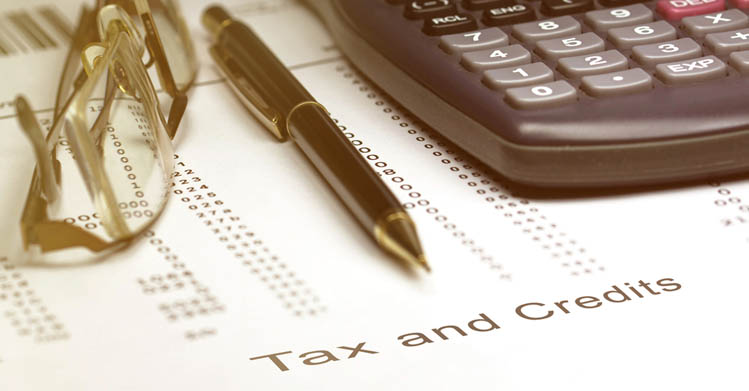
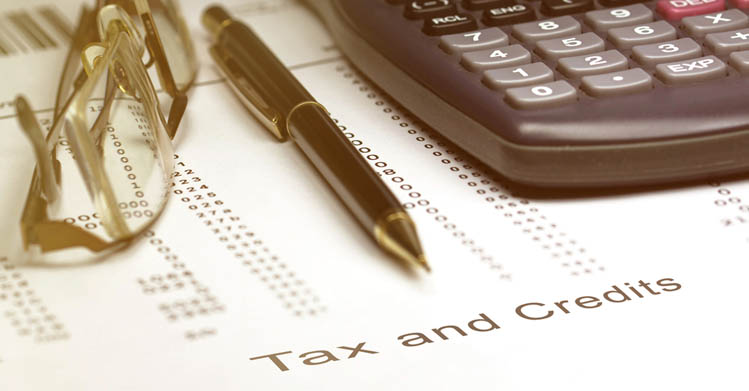
A little preparation and attention to detail can take the headache out of tax season.
How to Lower Your Utility Bills This Winter
Fortunately, there are steps homeowners can take to offset these rising prices. Having your heating equipment serviced by a professional is the best place to start. From there, follow this step-by-step guide from the experts at Consumer Reports.
First the bad news. Homeowners who heat with oil will see the biggest increase in fuel prices, from $992 last winter up to $1,370 in 2016 to 2017. If temperatures are 10 degrees colder than expected, the cost increase could go from 38 percent to 56 percent. Natural gas households should expect to spend just under $900 throughout the season, a 22 percent jump from last year, and costs of propane will go up 26 percent, to between $1,272 and $1,991, depending on the region. Electric heat will see a modest 5 percent increase, to an annual cost of $995.
Step 1: Seal Air Leaks
If you add up all of the leaks around windows, doors, and other openings in your home’s envelope, it’s like having an open window. To stop your losses, plug those holes with a combination of weatherstripping, caulk, or expandable foam.
Professionals perform a blower door test to identify air leaks. You can try a low-tech version by turning on all of your home’s exhaust fans and holding an incense stick near windows, doors, and electrical outlets. If the smoke blows sideways, you have a leak that needs plugging.
Step 2: Set Your Thermostat
If you haven’t upgraded to a programmable thermostat yet, this is the winter to do so; see our thermostat ratings for the best models on the market. The device will automatically lower the heat when you’re asleep or away from home. That can lower your heating costs by as much as 20 percent, meaning the thermostat could pay for itself in a year or two, depending on which model you choose. For optimal efficiency, set the temperature to 68° F or lower when you’re home and awake, and set it back to 60° F all other times.
Step 3: Check the Filters
This tip applies to homes with forced-air heating. If you have the system professionally serviced, filter replacement should be included. But for optimal efficiency, you need to replace the filter every few months, so it pays to know how.
First turn off the furnace. Then remove the existing furnace filter, located just inside the furnace or return air vent. Note the furnace filter size printed on the cardboard frame. Purchase a replacement filter from a home center, hardware store, or online retailer. Check our whole-house air filter ratings for recommended models that are best at trapping dust, pollen, smoke, and other airborne particulates.
Slide the new filter into place; check for the markings that tell you which side of the filter should face the furnace. Keep a record of the date so that you’ll know when it’s time to change the furnace filter again. Replace any cover that goes over the filter.
This is also a good time to make sure the warm-air registers throughout your home aren’t blocked by furniture, because that will make the system run less efficiently, driving up your utility bills.
These steps can combine to easily erase the price increase in home heating fuel. There are many other behavioral changes you can make, for example opening curtains on any south-facing windows during the day to allow the sunlight to warm your home, and keeping your fireplace damper closed unless a fire is burning.
More DIY Projects to Try
Around the House
- How to Get Your Snow Blower Ready for Winter
- How to Aerate Your Soil and Other Fall Lawn Care Tips
- How to Winterize Your Lawn Mower
- How to Replace a Lawn Mower Blade
- How to Replace a Gas Grill Burner
- How to Clean a Deck With a Pressure Washer
- How to Stay Safe on a Ladder
- How to Paint a Room and Get It Right the First Time
In the Kitchen
- How to Clean Your Coffee Maker
- How to Load a Dishwasher
- How to Get Rid of Funky Refrigerator Smells
- How to Organize a Refrigerator for Maximum Freshness
- How to Clean a Smoothtop Range or Cooktop
- How to Clean a Dishwasher
- How to Care for Your Kitchen Knives
- How to Clean a Microwave Oven
Laundry & Linens
- How to Wash a Pillow to Keep It Smelling Fresh
- How to Iron a Dress Shirt
- How to Clean Your Washing Machine
- How to Clean a Mattress
- How to Fold a Fitted Sheet
- How to Do Laundry Without Ruining Your Clothes
Copyright© 2006-2017 Consumers Union of U.S., Inc. No reproduction, in whole or part, without written permission.
Consumer Reports Digital Savings
Union members who subscribe for Consumer Report Digital’s comprehensive archive of expert, unbiased product reviews save 26% off the annual subscription rate.
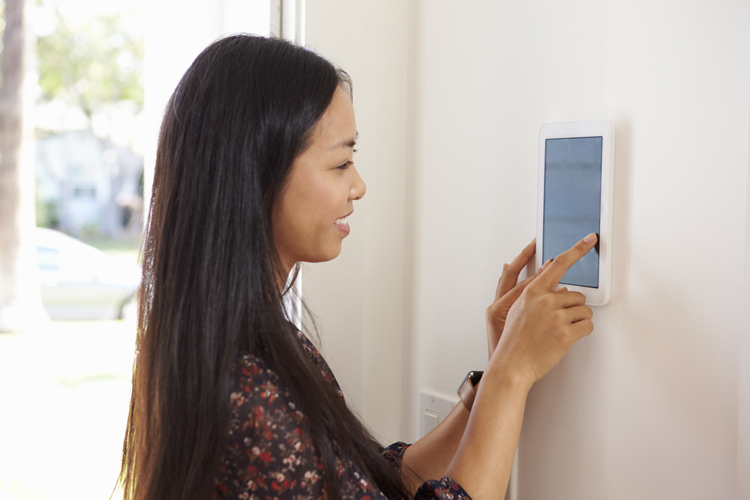
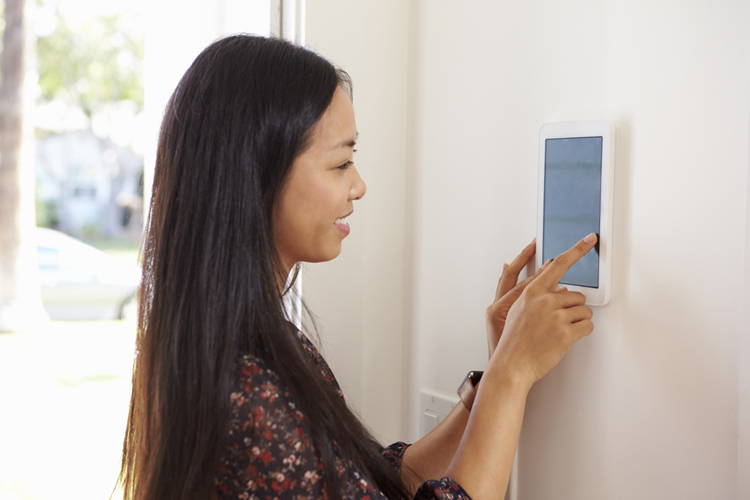
As temperatures drop, get ready for some soaring heating costs. Thanks to the one-two punch of colder weather predicted for this winter and a surge in fuel prices, U.S. households could see their costs go up as much as 50 percent compared with last year.
Valentine’s Day Gifts for Your Family from Teleflora
Valentine’s Day has typically been regarded as a day for people in love to celebrate together, but that’s not the only way to do it! Valentine’s Day is also the perfect opportunity to express love in all forms – not just romantic. If you’re at a loss thinking of Valentine’s Day gifts for your family, here are a few ideas to let each loved one know how much you appreciate them:
Valentine’s Day Gift for Young Kids
Valentine’s Day crafts are a great way to celebrate the holiday with your young kids. Take the time as a family to decorate valentines for everyone in your child’s class as opposed to store-bought cards. When it comes to giving your children a Valentine’s Day present, you can’t go wrong with something small, like a stocking stuffer. Another great option is a larger craft project to keep the kids busy on any snow days or cold winter weekends. We still have a few more months of bad weather to get through until school is out!
Valentine’s Day Gifts for Grown Up Children
If your kids are long moved out, you can surprise them by sending something in the mail! By Valentine’s Day, it’s probably been a couple of months since they’ve gotten to come home and visit, so they’d love to know you’re thinking of them. Consider baking a batch of cookies or cupcakes and mailing them to your child at school or in another state or surprise him or her with a bouquet of flowers. Teleflora’s Swirling Heart Bouquet is a great option to brighten up their room or desk!

Valentine’s Day Gifts for Parents
Your parents have done a lot for you over the years, treating them whenever you get the opportunity isn’t a bad idea! It’s a great time to surprise them with a thoughtful Valentine’s Day gift – especially if it’s something that they can enjoy together. Consider sending your parents a gift card to their favorite restaurant or movie theater so they can have a night out together, or a bottle of wine to enjoy during a night in. Of course, you can’t go wrong with a Together at Twilight Bouquet, either. This subdued arrangement comes in a variety of purple shades – perfect for mantle decor!

Valentine’s Day Gifts for Siblings
Siblings are your partners-in-crime from birth, so why not surprise them with a Valentine’s Day gift? It’s always nice to get a nostalgic gift that is something the two of you shared, but also consider getting something you know they would never buy themselves. Both these options will make sure you make their day extra special. If he/she isn’t in a serious relationship or never get flowers for Valentine’s Day, send a Hugs and Kisses Bouquet with Red Roses right to the office so he/she can indulge in the traditions of the holiday for once. Plus, siblings like to embarrass each other, so why not show off how much you love them with a big display of affection? It’s a surefire way to get them to smile.

While Valentine’s Day seems like it is only meant for romantic relationships, it can actually be celebrated with anyone who is special to you. It’s the perfect day to remind loved ones how much they mean to you with thoughtful Valentine’s Day gifts!

This article was reposted from Teleflora, the provider of the Union Plus Flowers and Gift Baskets Discount. Union members looking for the perfect gift save 25% on flowers and gift baskets.

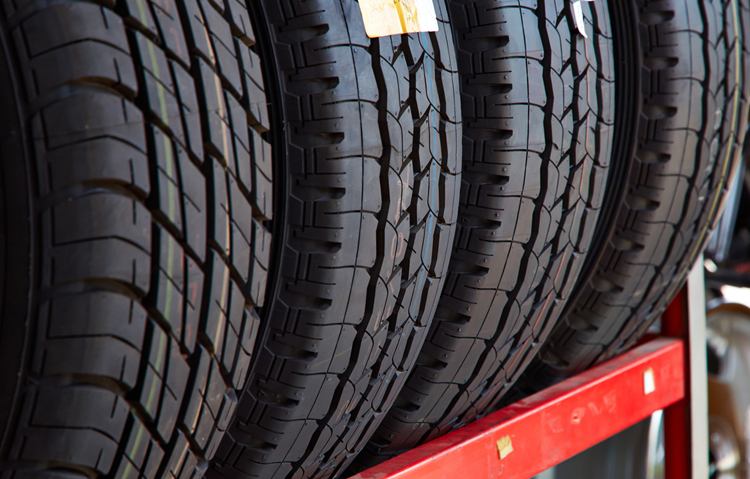
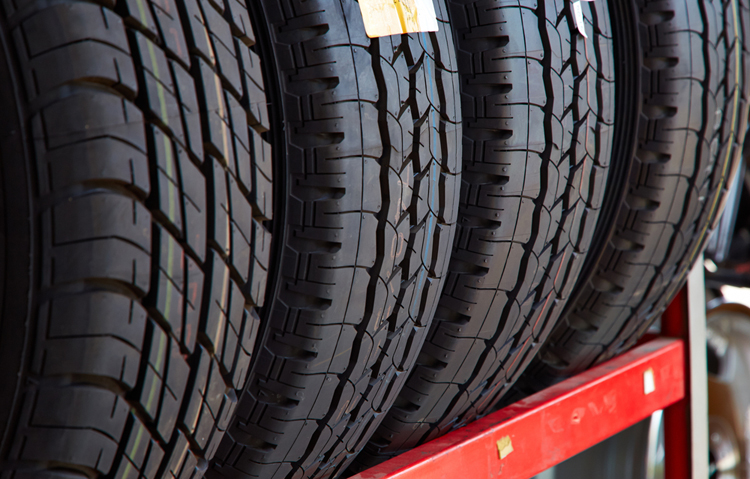
Eight Things You Should Know About Tires
Any reputable tire retailer will have knowledgeable people behind the counter to help you when it’s time to choose new tires. They will look up your car in their database to check the wheel and tire size, then tell you what options they have in stock for your vehicle.
It helps to have some knowledge before you get to that point. You should know the type of tires you need, what you may sacrifice by buying cheaper tires and what you get by going up the price ladder.
- If you’re not sure if your tires need replacing, use a penny. Tires with 2/32″ of tread are legally bald, resulting in severely reduced traction and making the car unsafe to drive. Insert the penny into the tire grooves. If Lincoln’s hair is covered, the amount of tread on the tire is fine. Otherwise, it’s time for new rubber.
- Used tires are a common way to save money, but it’s hard to tell if they were improperly inflated or driven aggressively. These factors can accelerate wear and put you in dangerous situations.
- When choosing a tire, consider the condition of the roads where you drive. If they’re in bad shape, talk to your retailer about tires with taller sidewalls to absorb potholes. Low profile tires look more aggressive, but can make for a harsh ride and be more susceptible to blowouts.
- If you don’t know which tires you need, stick with your car manufacturer’s recommendation. Professional engineers typically choose tires that best match the car’s characteristics, taking into consideration handling, comfort and fuel economy. In most modern cars, this information is located inside the driver’s side doorjamb. Alternatively, you can get it by visiting a tire retailer’s website and entering your car’s year, make and model.
- If you live in an area without snow, a passenger or touring tire should fit your needs. Otherwise, consider a set of winter tires you can use in winter until the snow melts. You may even want a dedicated set of wheels for these tires, so you can easily change them out as the seasons change.
- Getting bigger or wider tires than the manufacturer’s original equipment may have consequences. The increased height may cause the tire to rub against the fender, and changing the shape of the contact patch may cause the car to hydroplane when driving over water.
- How long should tires last? According to Consumer Reports, all-season tires typically last between 40,000 and 100,000 miles. To maximize the life of your tires, keep them properly inflated and rotate them according to the owner’s manual. Doing both will help your tires wear more evenly.
- Low rolling resistance tires are designed to help you save at the pump, requiring less energy to keep them rolling on the road. According to the California Energy Commission, these tires can improve fuel efficiency up to 4.5%.
If you are ready to buy, don't forget your Union Plus savings! Union members can save 10% off Goodyear tires.
Did you know that union members and their families save an average of $3,279 off MSRP when they buy a car with the Union Plus Auto Buying program?
Give Yourself a Credit Check-Up
You can’t have a strong credit history or good credit score without having any credit history at all. And while this is a common problem for young adults and those just entering the work force, it can also be problematic for women.
In some cases, women can be both the primary spender and the sole bill-payer for their families, yet have almost no credit record of their financial responsibilities independent of their spouse. Credit history is reported separately for each debt holder, and if you are listed as an additional cardholder rather than an account owner, all of the hard work you’re putting into paying your household’s bills on time may not show up on your history. And whether you’re just out of college, newly married, long married, divorced or widowed – you need your own solid credit history.
Without a credit history, lenders are unable to evaluate your credit worthiness. How will they know that you’ll pay back the loan on time if there’s no history showing that you’ve paid loans on time in the past? If you are unsure of your credit history, it’s time to do some research. Use the following steps to help determine if you have built a strong credit history:
- Review all of your family’s accounts, including mortgages, loans, and credit cards. Check to see if you are listed on these accounts as an authorized user, or if it’s a joint account.
- Request a copy of your free annual credit reports from the three credit reporting bureaus to see if all of your accounts are listed. Any account where you are a joint account holder should be included on your credit reports.
- If you are an authorized user, not a joint account holder on some accounts, ask the primary account holder to contact the creditors to see if you can be added as a joint account holder or a responsible party.
- If you’ve ever had credit under a different name, such as a maiden or married name, send a letter to each credit agency explaining your name change. Then, request the free copies of your credit reports to make sure that your reports reflect all of your credit history, including everything under your prior name.
- After taking these steps, if you are still light on credit history, find a way to establish credit under your own name, but make sure you start small. Open new cards or credit lines gradually. Make sure you do your research and read the fine print before applying for a credit card. And if you do sign up for a credit card, remember to consistently pay down the balance each statement period. Using credit and paying debts consistently will go a long way toward improving your credit history.
Learn more about the importance of credit scores and credit reports with MMI's free eBook, Getting the Credit You Deserve.

This article was written by Jesse Campbell of Money Management International (MMI), the provider of the Union Plus Debt Management Program. Union members looking for free, reliable consumer credit advice from certified consumer credit counseling advisers can turn to the Union Plus Debt Management Program.